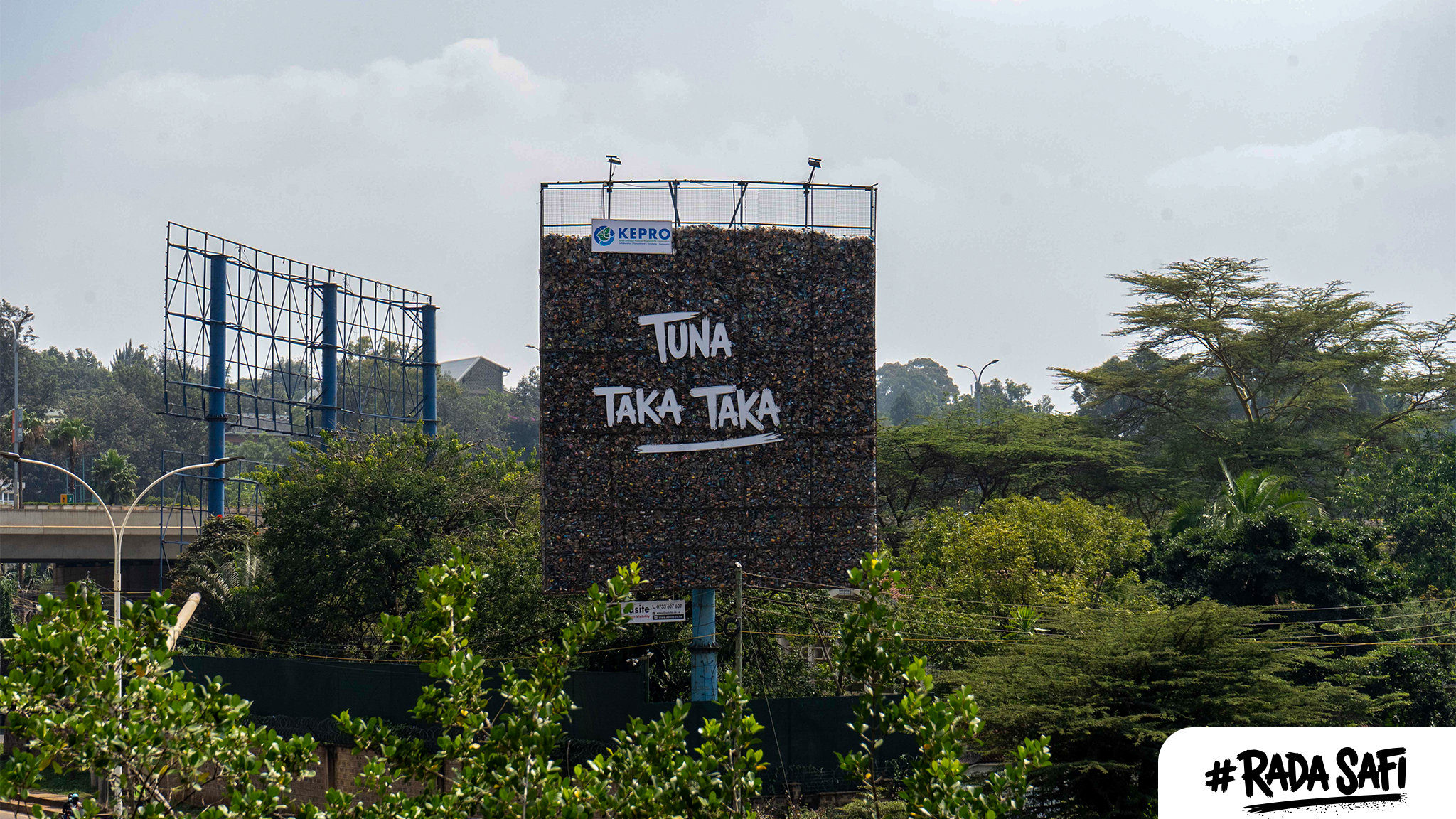
 Hero photo: billboard reveal
Rada Safi
A billboard buried in trash asked Kenyans one question: whose waste is this, really? Meet the campaign and take the pledge.
The Story
We Put That Garbage There. So Did You.
KEPRO's Bold Billboard Was a Mirror — Not a Stunt.
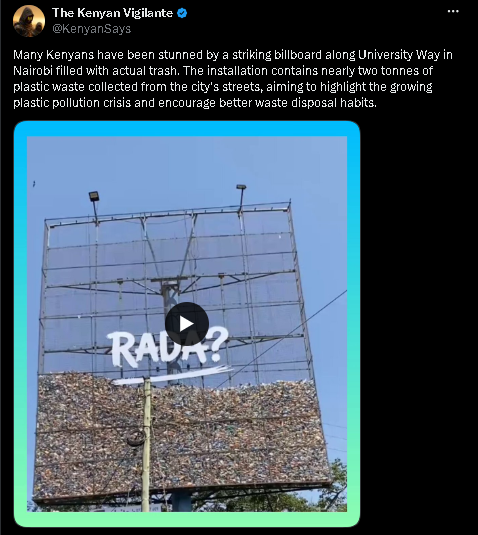
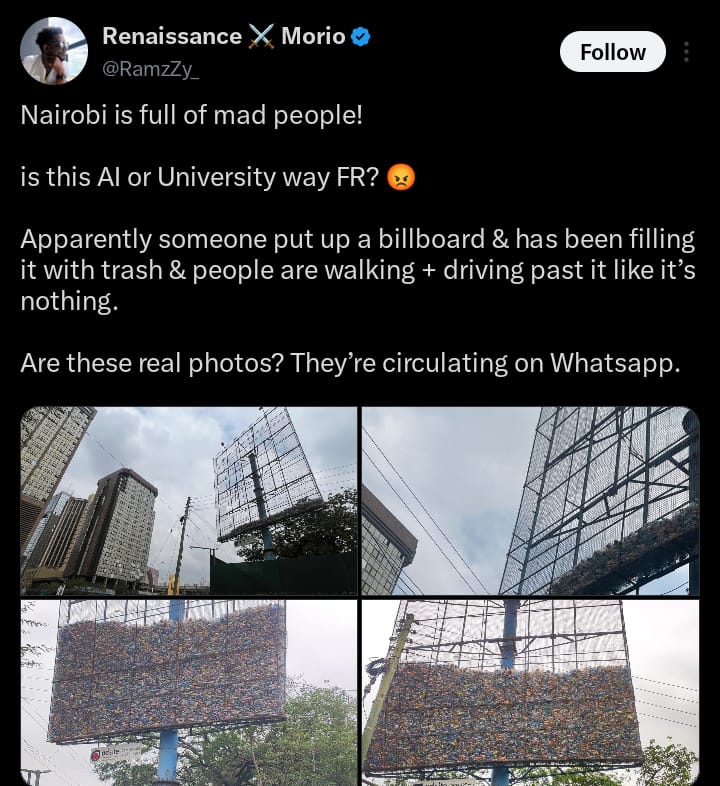
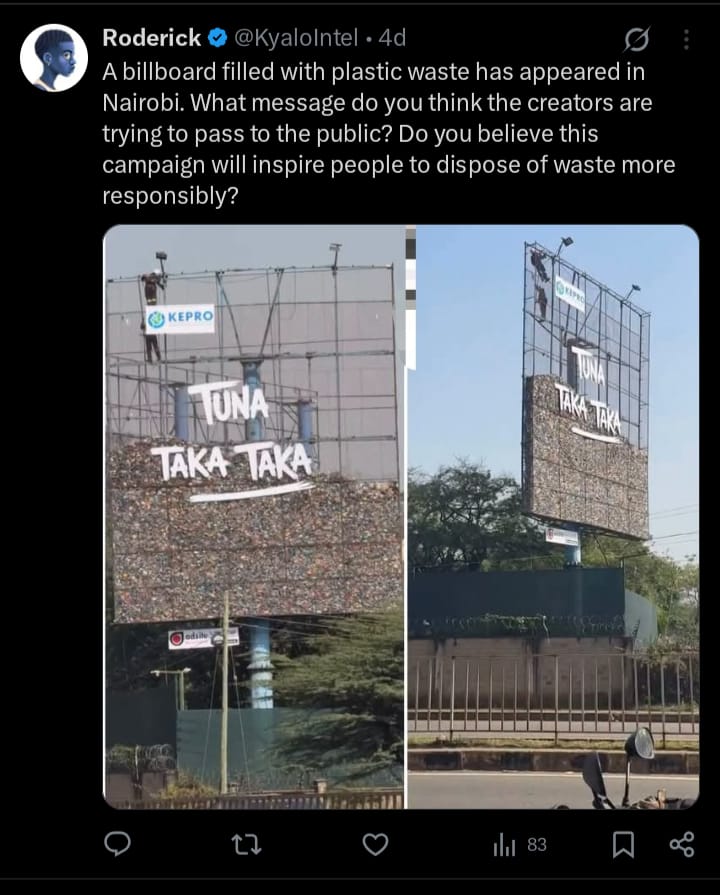
You probably drove past it, scrolled past it, or paused long enough to be disgusted. A billboard surrounded by mounting heaps of trash — wrappers, bottles, cartons, cans and discarded food packaging piled high like a monument to carelessness. No brand. No explanation. Just rubbish, and the uncomfortable feeling that it was saying something.
It was.
KEPRO (Kenya Extended Producer Responsibility Organisation) has now stepped forward to own that campaign. And in doing so, they are handing the rest of the responsibility back to all of us. The trash around that billboard was not a prop. It was a confession.
Day by Day
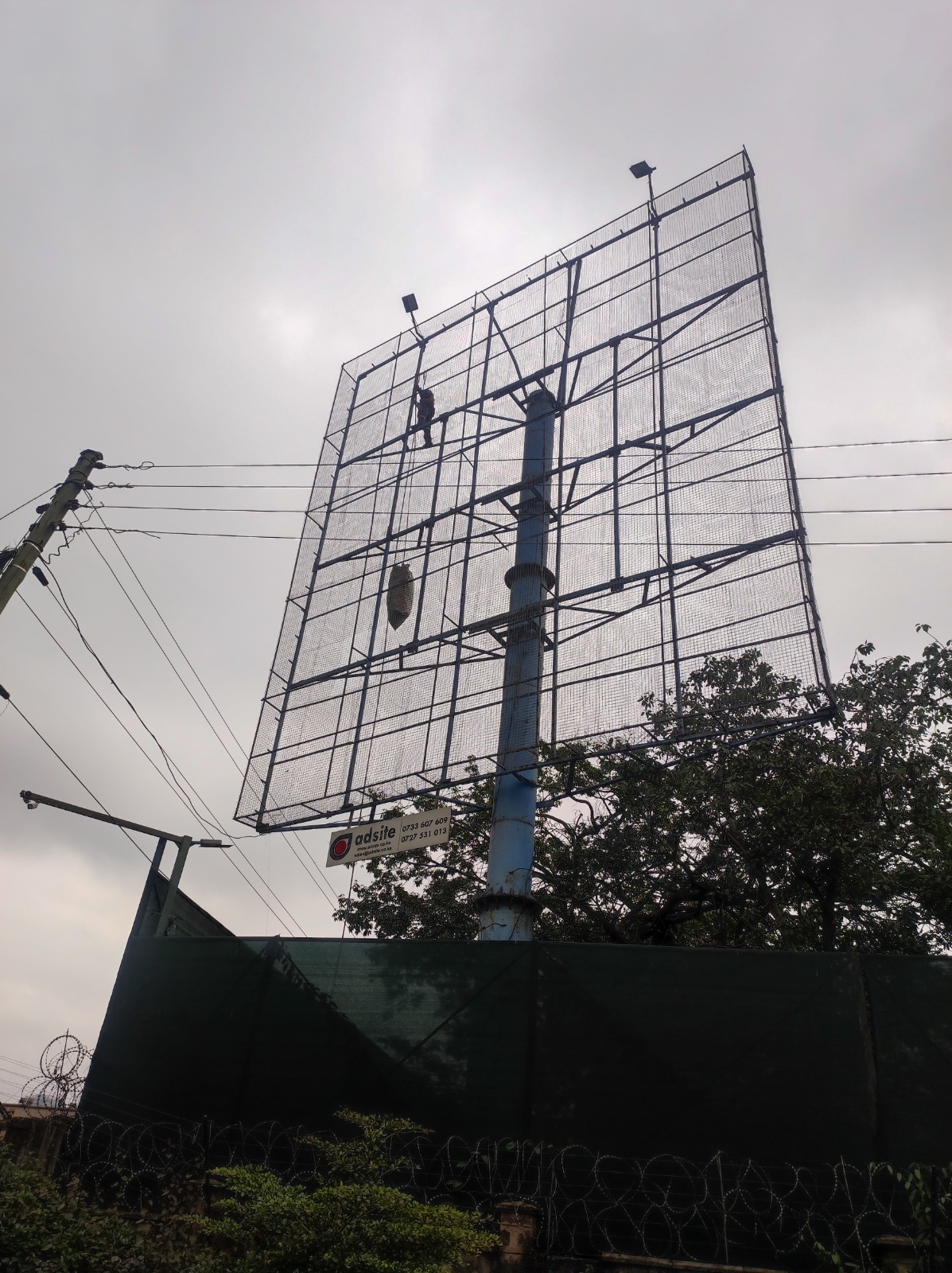
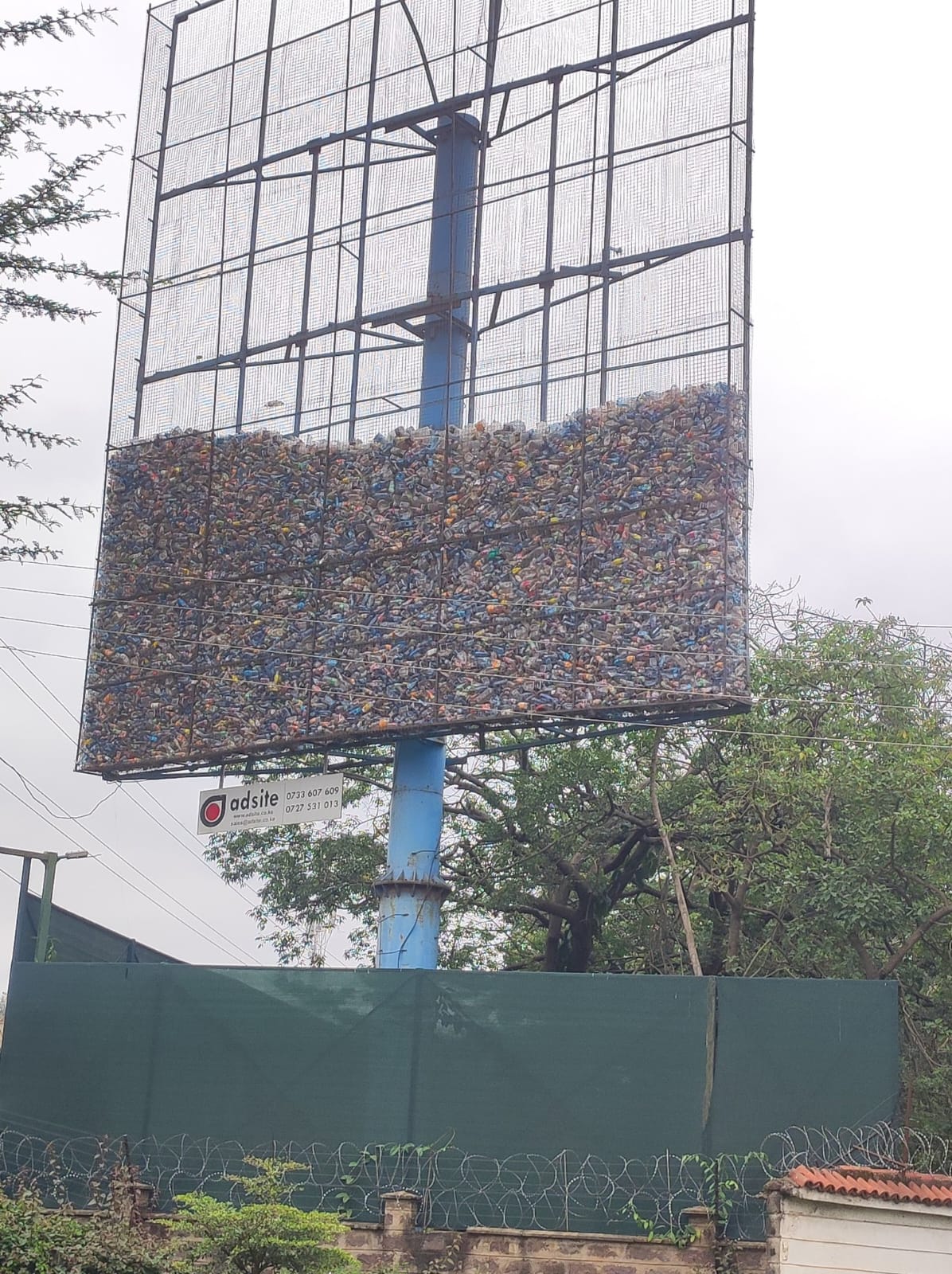
The Billboard's Progression
Watch it fill up over a single week — from a blank board to the full reveal.
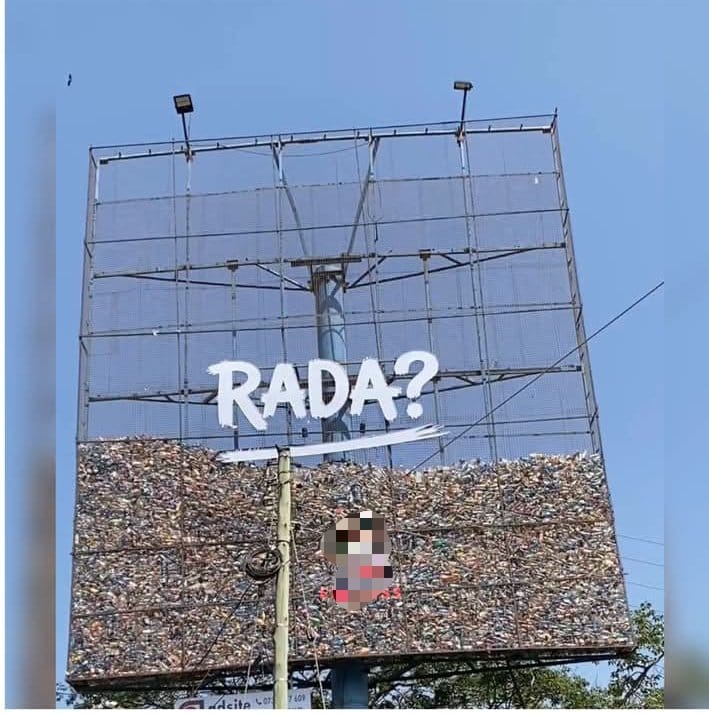
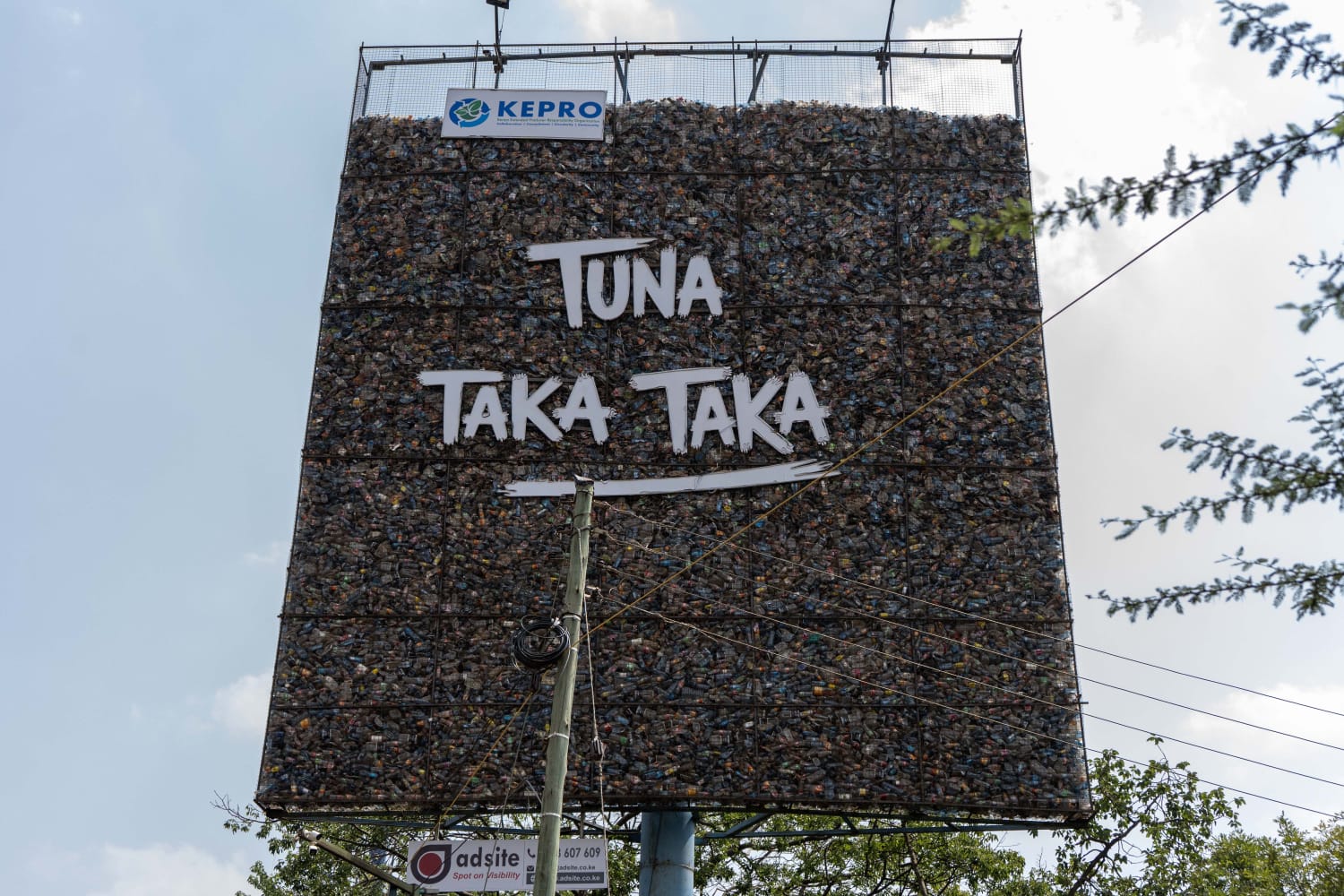
Kenya's Dirty Secret
By the Numbers
On NTV
The Full Story, As Seen on NTV
In Their Own Words
Video Snippets
Short clips from the NTV feature — James and campaign voices on the circular economy and the true cost of waste.
James: What Is a Circular Economy?
The Economic Cost of Waste
How Waste Impacts Our Country
Influencers on Rada Safi
Buzz
What People Are Saying
The conversation online, straight from the community.
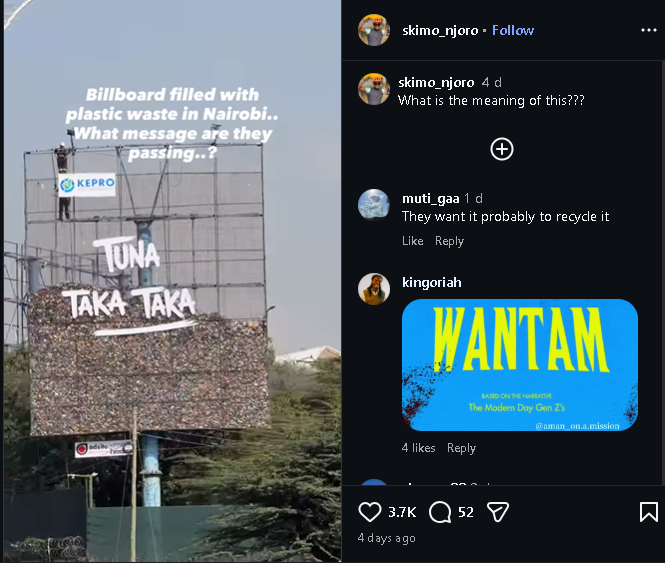
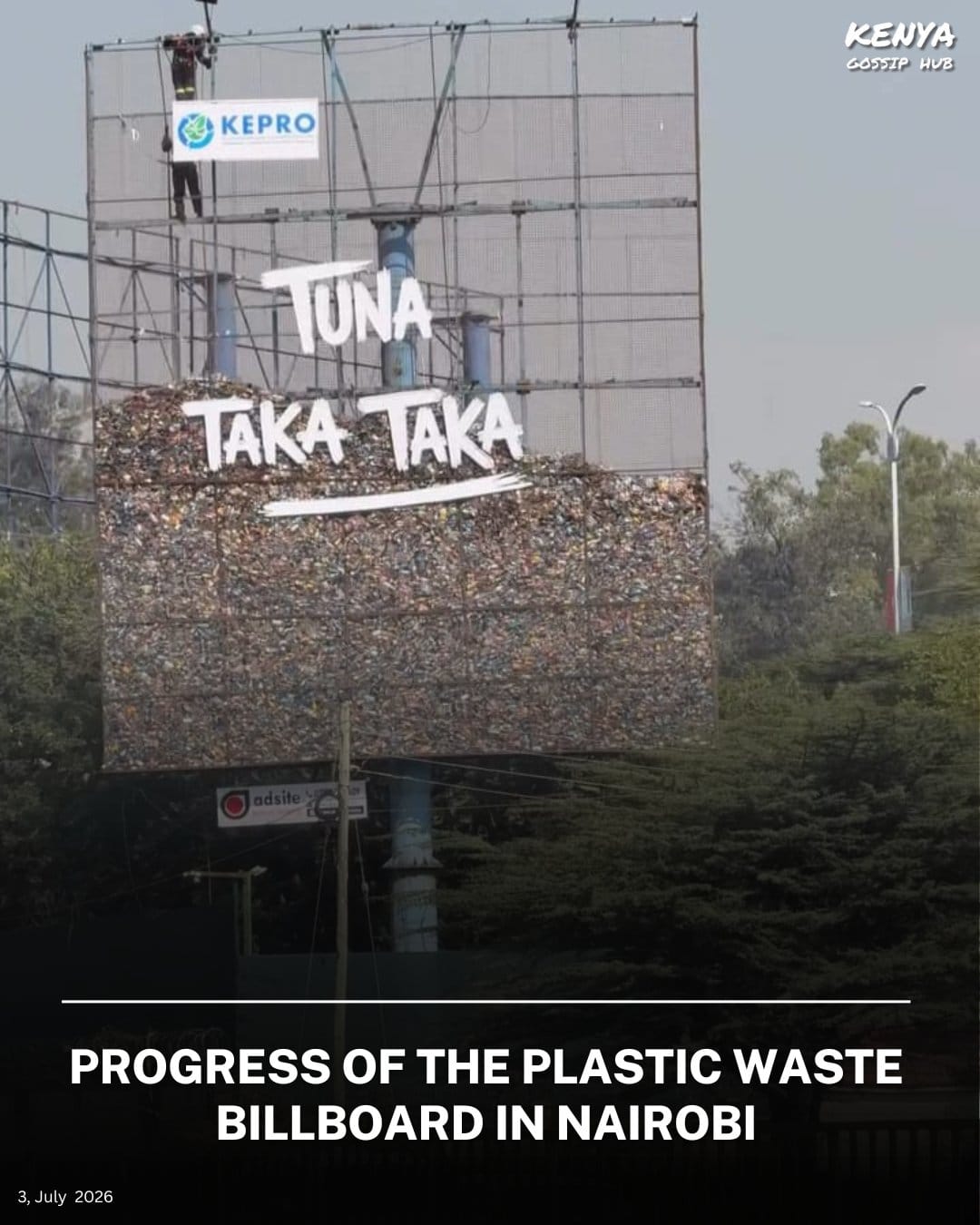
The Full Article
Kenya Does Not Have a Waste Problem. It Has an Accountability Problem.
Kenya produces over 24,000 tonnes of waste every single day — 8.8 million tonnes every year. More than 75% of this waste is mismanaged. In the time it takes to read this article, Kenya will have generated hundreds of tonnes of garbage, much of it with nowhere to go.
Between 3,000 and 4,000 tonnes of that daily waste comes from urban areas alone. Nairobi, the capital, contributes 2,000 to 2,500 tonnes per day, leaving the city drowning in its own output. Of the total waste generated nationally, UNEP reports that only about 10% reaches designated disposal sites. The rest ends up in rivers, roadsides, open fields, and illegal dumpsites.
Kenya has hundreds of landfills spread across the country. The Dandora dumpsite in Nairobi, the most well-known, covers approximately 30 acres of land and was declared full in 1996. It is still receiving waste today. Kenya generates approximately 880,000 tonnes of plastic waste every year, including common post-consumer packaging such as bottles, containers, wrappers and food packaging. ANDE estimates that 44% is recycled, while another 50% is recyclable but remains unrecycled.
Kenya does not have a waste problem. It has an accountability problem.
Producers and Consumers: Both Accountable
As an Extended Producer Responsibility organisation, KEPRO exists precisely because the companies that manufacture and distribute products must take ownership of what their products and packaging become after use. But the campaign's pointed message is that the burden does not end at the factory gate.
Of the waste generated in Nairobi, only 45% is recycled, reused or transformed into a form that yields economic or environmental benefit — far short of the 80% target set by NEMA. That gap is filled, or left gaping, by the everyday choices of millions of Kenyans: the street vendor who hands you a plastic bag, the customer who takes it, the commuter who tosses a bottle out the window, the estate that burns its garbage in the open air, the city council that looks away, the system that makes bins rare and enforcement rarer.
The Billboard Was Honest
What KEPRO staged on that billboard was a piece of radical honesty in a country that has grown comfortable with its own mess. It was meant to provoke, and it did. Now the question is whether provocation can become action. The Kenyan government has enacted progressive policies to manage the country's growing waste problem, yet enforcement remains inadequate. Policy is necessary. But policy without public participation is just paper.
And that billboard, framed by garbage and deliberately ugly but true, was asking every single person who saw it the same question: whose trash is this, really?
Take the Pledge
My Waste, My Responsibility.
"I pledge to own my waste. I will take responsibility for the waste I create and make sure it ends up in a bin or the right collection point."
Stay Connected
Follow Rada Safi
Catch the latest updates, behind-the-scenes moments, and community news across every platform.
All Social Profiles linktr.ee/keproradasafi KEPRO Profile linktr.ee/kepro_ke Organisation